Tanning mistakes to avoid
Expired cosmetics and out-of-date sun cream: what are the real risks?
In short
- The date on a tanning product is usually a best-before guide, not a strict expiry date.
- What matters is storage, somewhere cool and dry, and the product’s smell, colour and texture.
- The exception: out-of-date sun cream is no longer guaranteed to protect against UV, so replace it.
I’m often asked whether a product that’s past its date should be thrown away or not. Is expired cream dangerous? What about expired sun cream? You’ll readily be told to stick strictly to the dates, to stop bacteria from multiplying. But in our shop, most products come in bottles: you don’t dip your fingers into them or apply them to your lips (apart from lip balms and sticks). It’s for this majority of products that I’m writing the advice below.
Expired cosmetics: expiry date or best before date?
On a tanning product, you’ll rarely see a true expiry date. Most of the time, it’s a recommended date of use, or a period of use after opening. Which is quite different.
In Europe, a cosmetic product that keeps for less than 30 months must show a date of minimum durability (‘best before the end of…’). Beyond that, it only carries the PAO (period after opening) symbol: a small open jar with a number, for example ‘12M’ for 12 months after opening. The batch number, for its part, lets the manufacturer trace the date of manufacture.
These dates are set to cover the worst situations: a product stored somewhere warm (tanning salons are rarely cool places), in full sun (a classic in shop windows), or one that froze in transit. Manufacturers also add antioxidants and preservatives to keep the product stable, so many products change more slowly than expected.
What really matters: storage
On the other hand, a product kept in full sun or somewhere damp, or not closed properly, can deteriorate well before the date on the pack. So don’t rely on the date alone, or simply on how long the bottle has been open. Store your cosmetics in the coolest, driest place in your home (our stock is kept in a room that stays between 5 and 15 °C all year round), and close them tightly after each use. But don’t overdo it either: a product more than 6 months past its recommended period of use has had its day.
What are the risks of using expired cream?
In the vast majority of cases, no serious risk. Most often, the product loses some of its effectiveness, starts to smell bad or changes in appearance. At worst, it can cause effects that are more uncomfortable than dangerous: redness, itching, irritation. That’s as true of a moisturiser as of a tanning accelerator.
And out-of-date sun cream?
That’s a different matter, and the only exception to my advice. The job of sun cream is to protect your skin from UV rays. Over time and in the heat, its filters can lose their effectiveness: the stated protection (SPF) is only guaranteed until the date shown, and under the intended storage conditions. Out-of-date sun cream, or a bottle left in your beach bag all summer, leaves you open to sunburn. If in doubt, replace it.
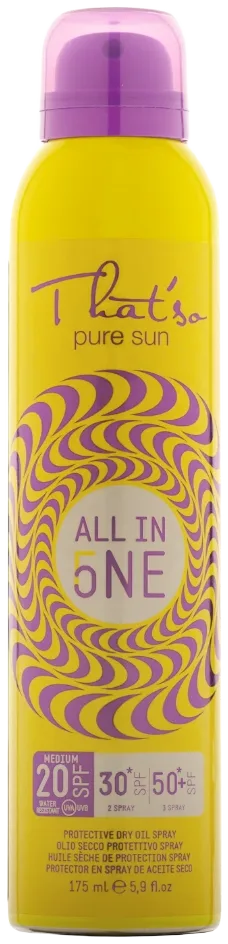
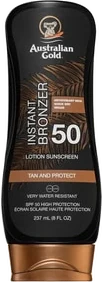
To start afresh with new protection, my pick is That'so Pure Sun SPF 20/30/50: a sun spray with build-up protection (one application for SPF 20, two for SPF 30, three for SPF 50+), which also contains tyrosine tanning actives. For swimming and sport, Australian Gold SPF 50 sun lotion with bronzing agents, water-resistant for 80 minutes.
How to tell if a product is still fine to use
Trust your senses. Has the product lost its usual smell, separated, clearly changed colour, or are there signs of mould? Throw it away. The same goes for expired self tan: if its colour or smell has changed, stop using it. In other cases, if you have the slightest doubt, do a patch test: apply a small amount to a sensitive area (neck, inside of the elbow or back of the knee) and wait to see whether your skin reacts.
A good deal: short-dated products on offer
Don’t hesitate to buy short-dated products, or ones slightly past their date, provided (and only provided) they have never been opened. They’re often on offer: find them in our short-dated category.
Remember that manufacturers would rather you threw old products away, since it pushes you to buy new ones. Even though my job is to sell you products, those who know me know I’d rather treat my customers as partners.
Frequently asked questions
Can you use expired cream?
For most tanning products, yes, if the product has been stored properly and has kept its smell, colour and texture. If in any doubt, patch test it on a small area of skin. The only exception: sun cream, which should be replaced.
What does ‘12M’ mean on a cosmetic?
It’s the PAO symbol: the product keeps for 12 months after opening. Write the opening date on the bottle: it’s the easiest way to keep track.
Can expired cream become dangerous?
Rarely. Badly stored cream can become contaminated, especially an open jar you dip your fingers into: unpleasant smell, changed appearance, and sometimes skin irritation. A closed bottle kept somewhere cool ages much better.
In short
A date that has passed doesn’t make a product dangerous: what matters is how it’s been stored, its smell and its appearance. Only expired sun cream needs replacing, because its protection is no longer guaranteed. Keep your products somewhere cool and dry, test them if in doubt, and make the most of short-dated products at reduced prices in our offers.
M@nu
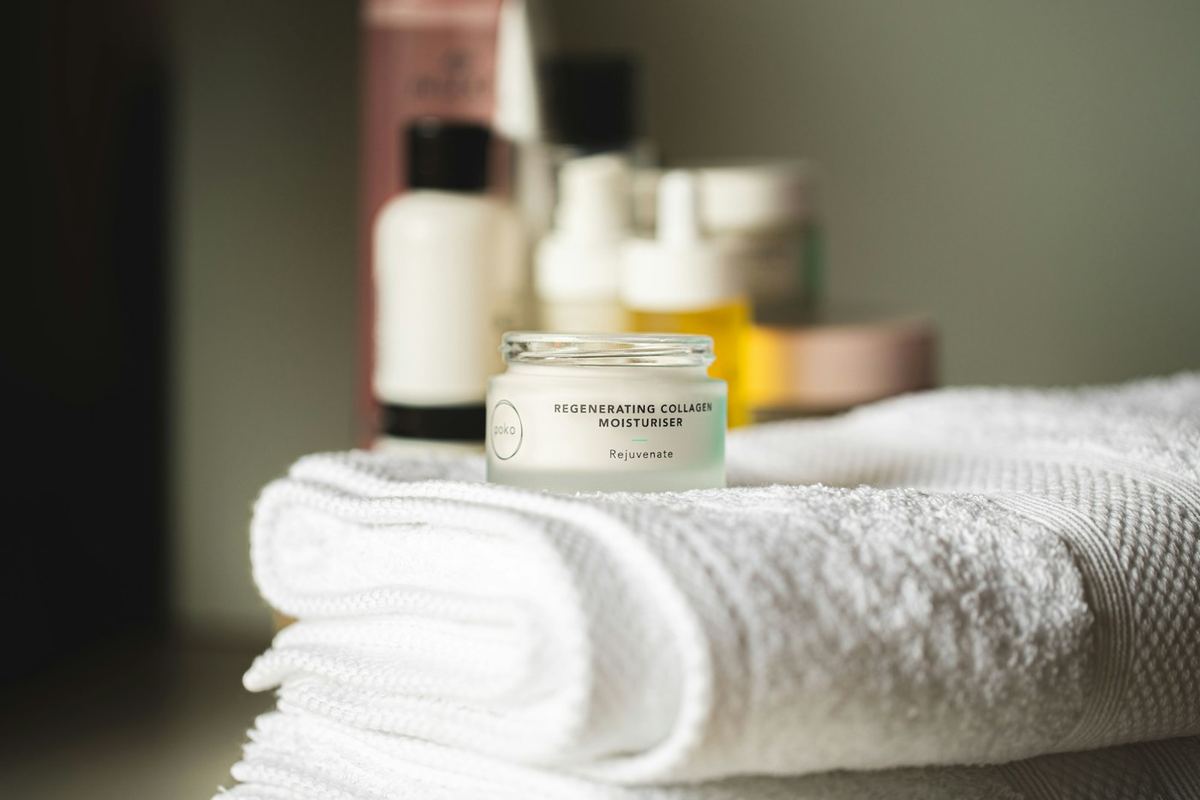
Photo: Poko Skincare on Unsplash