Tanning mistakes to avoid
Udder cream for tanning: what’s in it, the risks and a better option
In short
- Udder cream is mostly paraffin, a petroleum product designed to protect farmers’ hands.
- In the sun, it heats the skin without helping it tan, and it can clog your pores.
- A tanning accelerator does better: tyrosine for colour, monoi and plant oils to hydrate.
We’re often asked why there’s no udder cream on cremedebronzage.com. After all, it’s one of the best sellers at some other tanning retailers, with the promise of a fast, deep tan. The reason is simple: it’s a poor-quality product for your skin, and less effective than a good tanning accelerator. Here’s what you need to know about udder cream before you take it out in the sun.
Udder cream: what is it?
Udder cream, also sold as milking grease, was originally used by farmers to protect their hands from chapping and cracking during milking, and to soothe cows’ udders. It’s a thick grease that forms a protective film on the skin against cold, dryness and external aggressors. The tanning world took it up when a tan became fashionable: people tried every oil going to tan faster, and mineral oils were often the worst of the lot. They gave the impression of tanning quickly but, in reality, it was closer to a barbecue than a tanning session.
What’s in udder cream?
Its main ingredient, and sometimes its only one, is paraffin (paraffinum liquidum or petrolatum in the ingredients list): a product extracted from the solid residues of crude oil, hence its other names of ‘mineral grease’ or ‘ozokerite grease’. In other words, what you’re putting on your skin is a by-product of oil refining.
Versions sold for tanning often add a tropical scent: monoi, tiare flower, coconut or vanilla, sometimes a little coconut oil or vitamin E (tocopherol), or even glitter for a shimmering udder cream. These extras are mainly there to scent the product and give it a satin finish: the base doesn’t change, udder cream is first and foremost paraffin.
Monoi: the real upside of monoi udder cream
Genuine Tahitian monoi is made by steeping tiare flowers in coconut oil. Monoi oil has real benefits for the skin: softening and nourishing, it hydrates the skin and gives it that holiday scent sun lovers adore. It’s the monoi that makes monoi udder cream ‘for an intense tan’ so popular, not the paraffin. The good news: you’ll find monoi in genuine tanning products, combined with tyrosine for a faster tan that lasts longer.
Udder cream and tanning: what are the risks in the sun?
A greasy layer applied before going out in the sun heats the skin without helping it make melanin: that’s the ‘barbecue’ effect. The grease doesn’t penetrate the upper layers of the epidermis: it stays on the surface, as an oily film. The result of this overexposure is that you burn more easily and your skin ages faster (wrinkles, dark spots): repeated unprotected exposure is a recognised cause of skin ageing and of skin cancers, including melanoma.
And if you have oily skin, udder cream clogs your pores: a great way to collect a fine crop of spots into the bargain.
What about paraffin?
The paraffin oil used in cosmetics is highly refined and has to meet strict safety standards. Even so, it’s rated as a ‘moderate hazard’ by the EWG, an American organisation that rates cosmetic ingredients. The concern is the risk of contamination with polycyclic aromatic hydrocarbons (PAHs), which are found in crude oil.
What about udder cream with SPF?
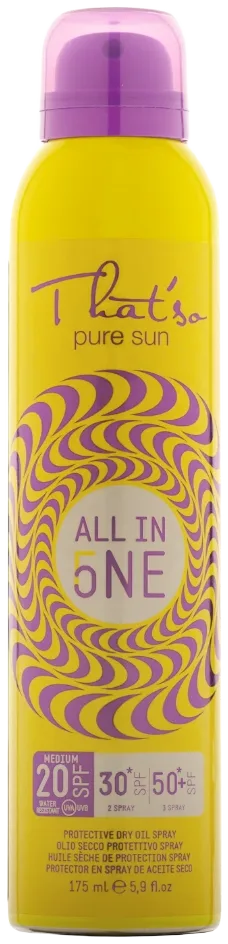
Some manufacturers offer a version with an SPF, promising to speed up your tan while protecting your skin. The underlying problem stays the same: the base is paraffin, and such a low SPF lets most UV rays through during the hottest part of the day. To protect yourself in the sun, you’re better off with real sun protection with broad-spectrum filters, such as That’so Pure Sun SPF 20/30/50: a sun spray with build-up protection (one spray for SPF 20, two for SPF 30, three for SPF 50+), which also contains tyrosine-based tanning ingredients.
What can you use instead of udder cream for tanning?
For a deep tan without the risks of udder cream, a tanning accelerator does everything you’d want from it, only better: it provides tyrosine, the building block of melanin, along with plant oils and butters (monoi, shea butter, aloe vera) that hydrate your skin and help your tan last. A few examples:
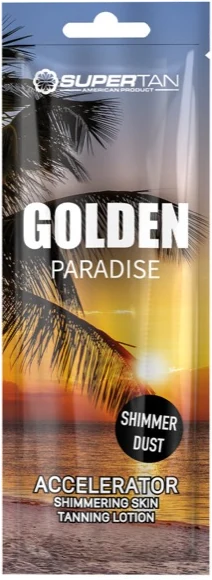
- Golden Paradise by Supertan, bronzer-free, with Tahitian monoi and aloe vera, and fine gold particles that give your skin a radiant glow: all the charm of monoi udder cream, without the paraffin;
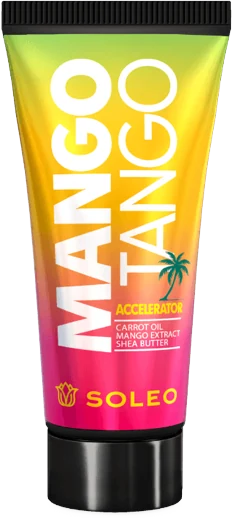
- Mango Tango by Soleo, bronzer-free and with no tingle, with mango, shea butter and carrot seed oil, for first sessions and fair skin, in a 15ml sachet or a 150ml bottle;
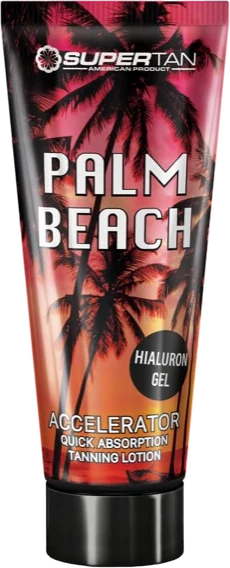
- Palm Beach by Supertan, bronzer-free, with an anti-ageing effect;
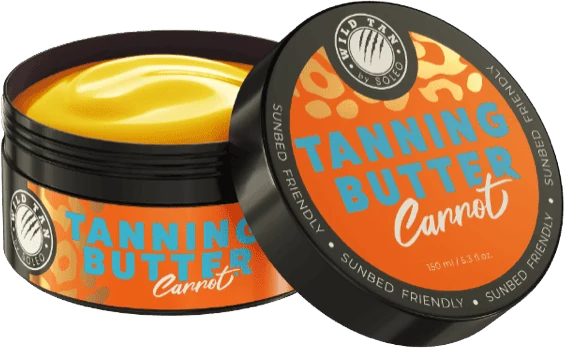
- Carrot Tanning Butter by Wild Tan, a tanning butter at a low price.
All four accelerators are bronzer-free, which is what we recommend for first sessions and fair skin. For olive skin or skin that’s already well tanned, choose an accelerator with bronzers: bronzers don’t create colour, they transform it, and make your tan deeper. None of these products contains a UV filter: they’re made for sunbeds and, outdoors, for times when the sun is weak. Always stick to the exposure time recommended by your tanning salon to avoid burning.
Frequently asked questions
Does udder cream make you tan faster?
Udder cream can leave your skin shiny and warm, which can look like a deep tan. But it contains nothing that helps your skin make melanin. To tan faster, a tyrosine accelerator is made for the job.
Can you use udder cream on a sunbed?
It isn’t recommended: it’s not made for tanning sessions. On a sunbed, use an accelerator designed for sunbeds, such as the ones in our selection.
How long does it take to tan with udder cream?
No amount of time makes udder cream any safer: the longer you stay in the sun with it, the more you heat your skin. A tan builds up through short, well-spaced exposures, with a suitable product.
Olive oil, coconut oil or udder cream for tanning?
None of the three is a tanning product: with no tyrosine and no UV filter, they nourish the skin without helping your tan. If it’s the scent and moisturising effect of monoi you love, choose a monoi accelerator such as Golden Paradise. A plant oil is never as effective as when it works alongside tyrosine in a tanning accelerator.
What’s the best tanning oil?
In the sun, protection that nourishes without leaving a greasy film, such as That’so Pure Sun SPF 20/30/50: a dry oil in a very fine mist, with build-up protection, which also contains tanning ingredients. On a sunbed, choose a tyrosine accelerator instead to deepen your tan.
How do you keep your tan for as long as possible?
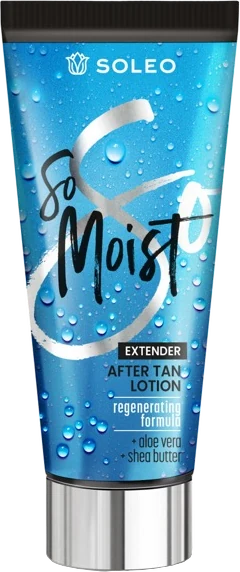
Moisturise your skin every day after exposure: good hydration limits the dryness that makes skin peel and takes your tan with it. An after-tan moisturiser that extends your tan, such as Soleo So Moist (aloe vera, shea butter, safflower oil), is made for exactly that.
In short
Udder cream is a paraffin-based product, designed for farmers’ hands, not for tanning. An accelerator does better, for your colour as well as your skin. Browse our tanning accelerators, or get in touch for personal advice.
Photo: Ana Azuria on Unsplash